

Staying Yourself on a Chaotic Day

This third post sits between ink and impact.
The first was about emptying your head onto paper.
The second was about accepting how your planned day and lived day collide and still count as a whole.
Now comes the question: what do you do when the whole day feels against you?

When the day feels like an enemy
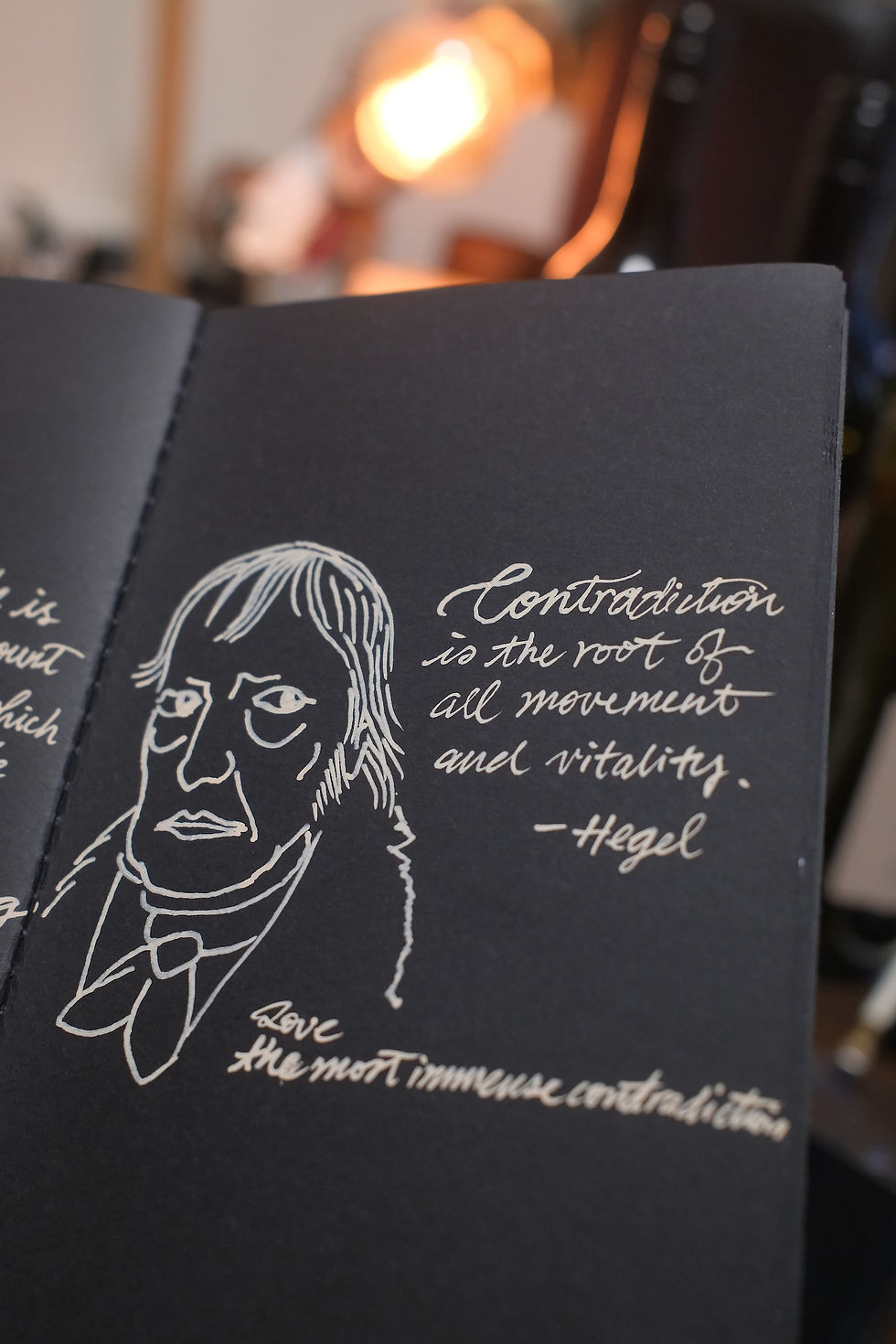
Marcus Aurelius wrote: “The best revenge is not to be like your enemy.”
Most of the time, the “enemy” isn’t a person.
It’s the day itself.
The inbox that explodes.
The schedule that collapses.
The pings that keep biting your attention into pieces.
The temptation is simple: become like the day.
Rush because everything is rushing.
Panic because everything feels urgent.
Abandon the page and live inside the notifications.
That’s the exact moment Marcus is pointing at.
The best revenge on a frantic day is not to be like it.
Holding your shape
The world loves to redraw you.
Inbox chaos says: “Be chaotic too.”
Outrage says: “Be angry too.”
Hustle says: “Be exhausted too.”
Your notebook quietly disagrees.
Every line you put down is a way of tracing your own outline again.
You don’t have to match the mood of the day.
You don’t have to mirror the worst energy in the room.
You can move slowly, on purpose, on paper.
That’s revenge.
A tiny Stoic box on paper
Keep the practice small.
At the end of a chaotic day, draw a box and split it in two.
Left side: “How the day behaved.”
Right side: “How I chose not to be like it.”
Three honest lines on each side.
No drama. Just noticing.
The left is the world.
The right is you.
You can’t control the day.
You can control whether you become like it.
The You Who Notices
Meditation taught one more thing: you are not the chaos you move through.
You can feel your heartbeat and your breathing, but that’s the bodily you.
You can watch yourself rushing, reacting, people-pleasing, or hiding. That’s the bodily you too.
The real you is the one who notices.
The one who can step a little above the scene and simply watch.
No judgement. Just awareness.
Look at that version of you from a slight distance, the way you look at your own handwriting on the page.
See how he or she tried, stumbled, adjusted.
Do that long enough, and something quiet happens:
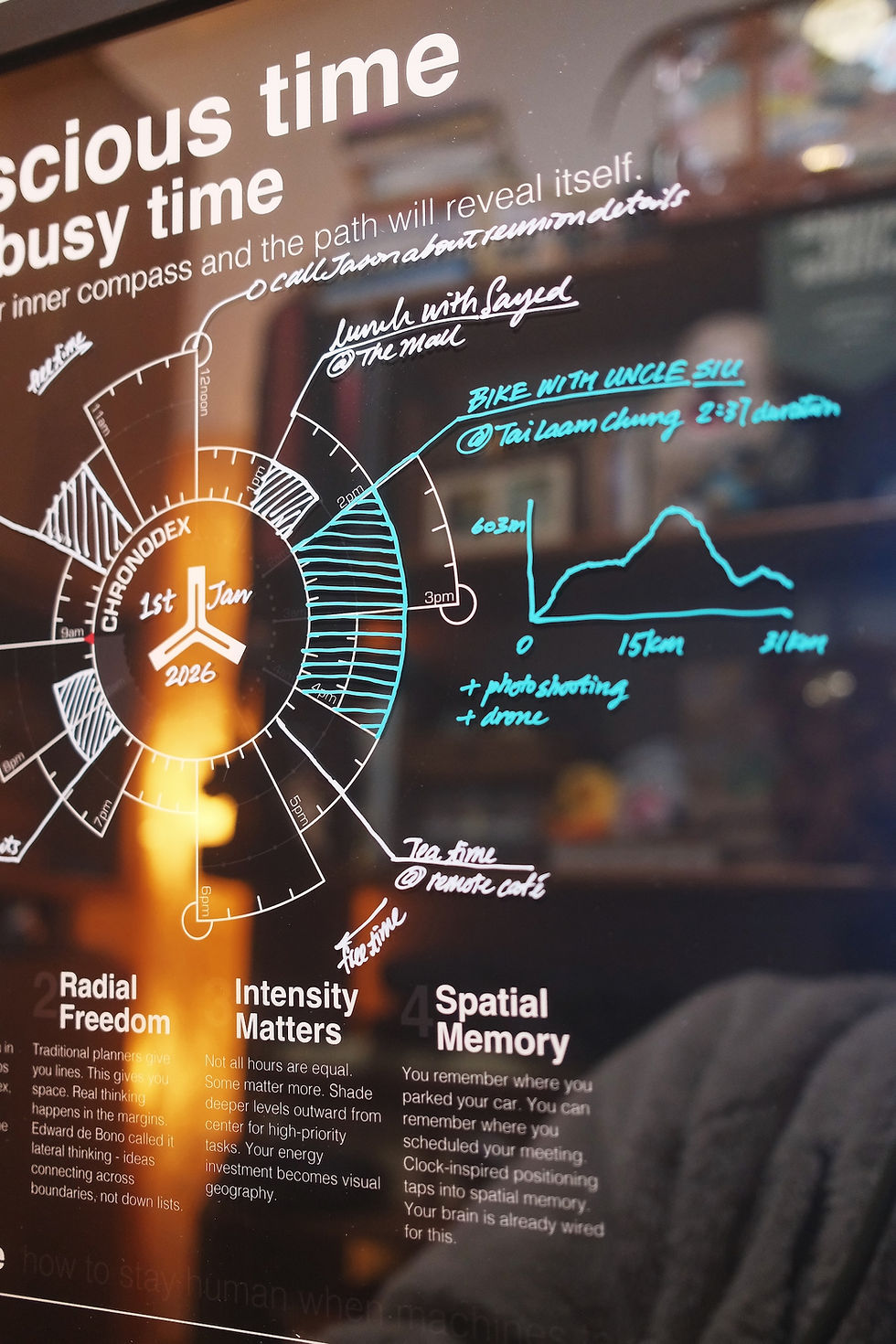
a path starts to show itself, without you forcing it.

Comments